Commercial Waste Chislehurst: Building an Eco-Friendly Waste Disposal Area
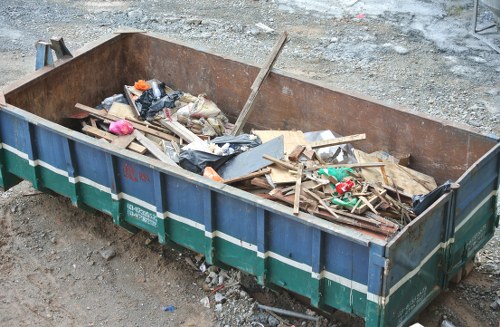 Commercial Waste Chislehurst is evolving into a model for sustainable rubbish management across south-east London. Our approach to eco-friendly waste disposal and a greener commercial rubbish area focuses on measurable goals, improved sorting, and reducing the carbon footprint of collections. By aligning with borough-wide policies on waste separation — including separate streams for dry recycling, food waste and garden waste — businesses in Chislehurst can contribute to a cleaner neighbourhood and a better circular economy.
Local firms and property managers were consulted to design a practical programme that balances operational needs with environmental priorities. The programme encourages Chislehurst commercial waste producers to optimise segregation at source, making it easier for local transfer stations and material recovery facilities to process streams efficiently. Reducing contamination at the point of disposal is one of the quickest ways to increase recycling rates across the borough.
 Our ambition includes a clear recycling percentage target: a staged increase to reach a 65% recycling rate for commercial waste in Chislehurst by 2030. This target is supported by improved collection routes, business education, and partnerships with nearby boroughs to share best practice. Achieving this milestone will require coordinated efforts between hauliers, businesses, and civic partners, and it will make the eco-friendly waste disposal area in Chislehurst a tangible local success.
Local Transfer Stations and Sustainable Logistics
Chislehurst benefits from access to local transfer stations in the Borough of Bromley and neighbouring boroughs, which act as key nodes for consolidating commercial rubbish before onward transport. These transfer stations enable more efficient bulk movements to regional recycling centres and reclaim facilities, reducing the number of long-distance journeys and associated emissions. Using transfer facilities properly ensures recyclable materials are kept in-scope for recovery rather than being diverted to landfill.
 The logistics side has been modernised with an emphasis on low-carbon vans, route optimisation and load consolidation. A growing fleet of electric and hybrid light commercial vehicles now serves many local traders, and biofuel options are used where electric range is a constraint. These changes reduce particulate and CO2 emissions and support Chislehurst's ambition to have a more sustainable rubbish area and greener collection services.
Commercial waste in Chislehurst also encourages larger businesses to use on-site compactors and balers to reduce frequency of collections and maximise load efficiency. Less frequent, fuller collections mean fewer trips, lower costs and smaller carbon footprints — an outcome that benefits business owners and the community alike.
Partnerships, Reuse and Community Benefits
Working with local charities and social enterprises is central to the strategy for recycling commercial rubbish Chislehurst-wide. Partnerships are in place with reuse charities and community groups to divert usable items from the waste stream into repair, upcycling and resale channels. This creates social value, supports vulnerable residents, and keeps materials in productive use for longer.
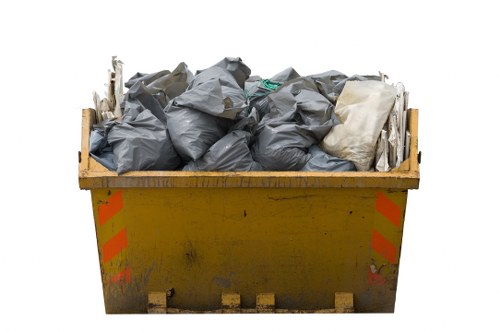 We coordinate with charity partners to accept surplus office furniture, undamaged textiles, small electricals and other reuseable commercial items. A typical partnership workflow might include:
- Collection scheduling for segregated reuse items,
- Quality checks at transfer stations,
- Preparation and redistribution via charity shops or community projects.
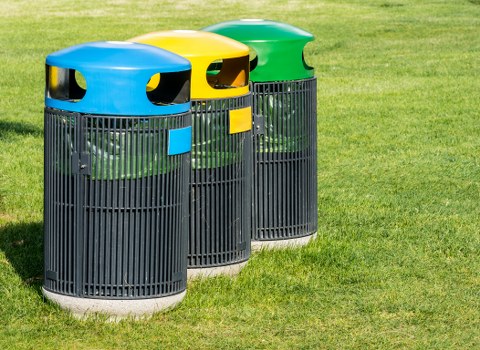
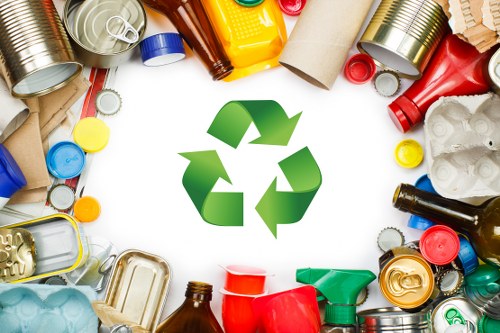 To support landfill diversion and higher recycling yields, the borough's approach to waste separation is emphasised: clear bags and sacks for dry recycling, separate containers for food waste, and green waste collections where applicable. Education campaigns and business outreach are used to reinforce the correct sorting habits that drive higher recovery rates and reduce contamination, making every commercial tonne more likely to be recycled or reused.
Monitoring and reporting are embedded in the scheme: monthly tonnage reports, recycling percentage tracking and emissions monitoring for the fleet ensure transparency. Regular reviews allow the Chislehurst commercial waste programme to adapt to changing market conditions for recyclates and to improve the performance of the eco-friendly waste disposal area over time.
Financial incentives and practical support are available to help businesses transition: aggregated collections to lower costs, subsidised trials of low-carbon vans, and shared access to baling and compaction equipment at local transfer hubs. These measures reduce barriers to participation and accelerate uptake of sustainable practices among small and medium enterprises.
Ultimately, sustainable rubbish area initiatives in Chislehurst aim to create long-term environmental, social and economic benefits: higher recycling rates, lower emissions from collections, stronger community partnerships, and a resilient local waste infrastructure. By combining clear targets, smarter logistics, charity partnerships and a greener vehicle fleet, Commercial Waste Chislehurst demonstrates how local action can deliver measurable gains for people and planet.
