Commercial Waste in Chislehurst
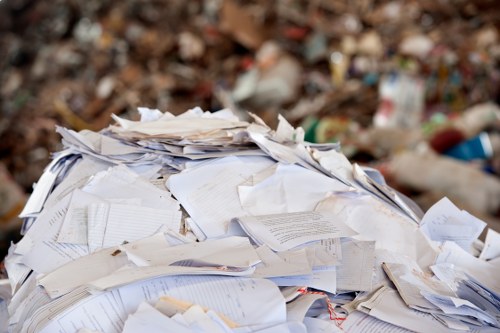
Commercial waste in Chislehurst needs a service that is orderly, careful and suited to the type of material a business produces. We deal with mixed commercial rubbish, bulky office items, packaging, unwanted fixtures and other non-hazardous loads that need removing without disrupting day-to-day work. The aim is straightforward: clear the waste, separate what can be diverted from landfill where possible, and leave your premises ready for normal use again.
Our approach is built around practical collection rather than unnecessary complication. Whether the job involves a one-off office clear-out, regular business waste removal or the disposal of specific items such as furniture and appliances, the work is handled with attention to access, handling and sorting. If you need to compare options before arranging a collection, you can review pricing and quotations or read through the relevant service pages first.
For businesses in Chislehurst, the most useful arrangement is often the one that keeps waste moving out as it is generated, rather than letting it build up in back rooms, storage areas or shared yards. That may mean a single clearance after a refit, or a more regular removal plan. If you are ready to talk through a collection, make a note of the materials involved and send over the details when you are ready.
Business waste removal for everyday commercial loads
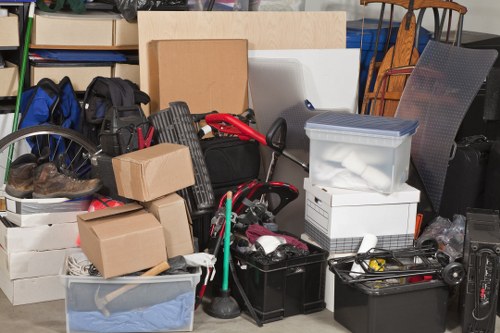
Business waste removal is the broad core of this service, covering the sort of material that accumulates in shops, offices, workshops and other commercial premises. That can include broken shelving, redundant stock packaging, display units, old paperwork bags, decommissioned equipment casings and general refuse that is no longer suitable for normal on-site storage. The practical focus is on lifting, sorting and loading the waste efficiently, then removing it to the appropriate route for treatment or disposal.
Because commercial sites vary, the collection plan should reflect how the waste is stored and what access is available. A rear service entrance, a ground-floor office, a yard or a shared access lane each creates different handling requirements. Where the waste contains a mix of recyclable and non-recyclable material, separating those streams early helps keep the removal more orderly. If you are weighing up what should be moved, the business waste removal service details set out the main scope in more detail.
Some businesses prefer a single clear-out after a relocation or refurbishment; others need repeat collections to keep work areas uncluttered. In either case, the most useful preparation is to identify the categories of waste rather than simply the room it came from. Mixed commercial waste can often be handled more efficiently when packaging, paper, furniture parts and loose refuse are grouped before collection, while fragile items and anything with special handling requirements are separated in advance.
Office clearances and workplace fit-outs
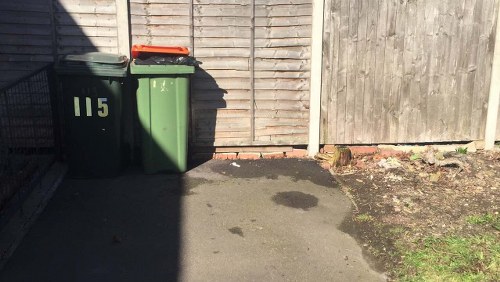
Office clearance usually involves more than removing a few unwanted chairs. A workplace can accumulate desks, task seating, filing cabinets, IT peripherals, shelving, partition pieces and the contents of storage cupboards, all of which need to be taken out in a sensible sequence. We focus on practical clearance of that material so the room can be handed back, refurbished or repurposed without waste items getting in the way. Where items are suitable for reuse or onward processing, they are separated from ordinary rubbish.
Fit-out and changeover work often creates a mixture of load types, from dismantled furniture to cardboard, fixtures and old accessories. A clear plan helps because the work may need to be done in stages, especially if other trades are on site. The service is easier to manage when access routes are kept open and the items to be removed are identified beforehand. For a closer look at that type of work, see the office clearance page.
Useful preparation is usually simple. Keep a short note of the rooms involved, the kinds of items to be removed and any loading restrictions, then decide whether the clearance needs to happen outside working hours or during a quieter period. Smaller office jobs and fuller strip-outs both benefit from the same basic approach: clear the route, identify the items and make sure the collection point is accessible.
Furniture and bulky item disposal
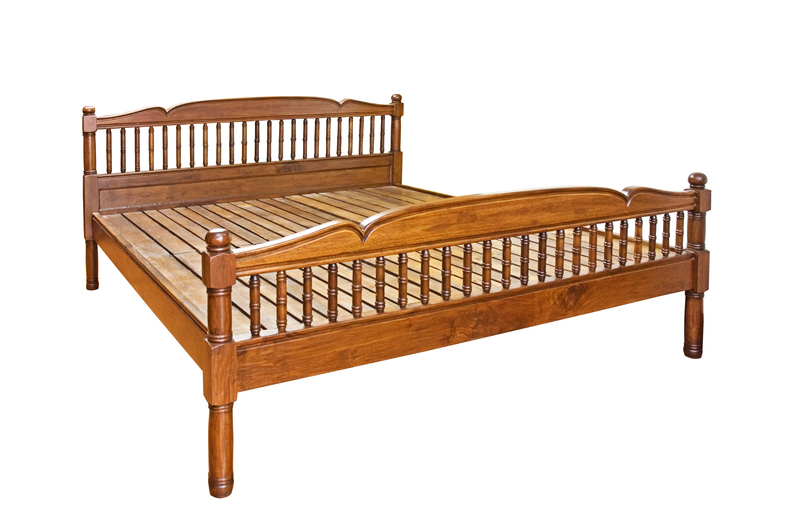
Commercial premises often hold pieces of furniture that are no longer needed but are still too large to treat as ordinary bagged waste. Tables, cupboards, reception seating, shelving and similar items can take up valuable floor space if they are left waiting for disposal. Furniture removal is therefore a useful part of the service when a business is refurbishing, relocating or simply replacing worn-out stock and equipment. The work is handled as a collection and removal task rather than as a cleaning or renovation service.
Where bulky items remain in usable condition, they may be suitable for reuse pathways or separate recovery. Where they are damaged or broken, the priority is safe lifting and removal without unnecessary disturbance to the surrounding area. You can compare the scope of this work with the furniture clearance service, or check the related furniture disposal page if the main need is end-of-life removal.
When commercial furniture is being removed, it helps to think about access and handling rather than only the end item. Some pieces need dismantling before they can be moved, while others may pass through a lift or doorway intact. If several types of furniture are being cleared at once, grouping them in one area makes loading more efficient and reduces the risk of damage to walls, floors and fittings.
Bulky specialist items and appliance removal
Not every commercial clearance is made up of standard office waste. Businesses also accumulate specialist bulky items such as fridges, freezers, drinks coolers, microwaves, display units, mattresses from staff accommodation or storage areas, and other difficult single items that are awkward to move. These pieces need a removal approach that is safe, practical and suited to the item’s size and condition. The aim is to take them away in one collection rather than leaving them to occupy space indefinitely.
For appliance-related work, the main issue is handling the item correctly from the moment it is lifted. Weight, residual contents and access all matter, and the same applies to large upholstered or domestic-style items kept on business premises. The pages for fridge and appliance removal and mattress and sofa disposal explain those item groups more specifically. If a job combines several bulky objects, it is usually easier to deal with them in one planned removal rather than arranging separate visits.
It is also sensible to identify whether the item is free-standing, built in, damaged or waiting in storage, because that can affect the method of removal. A straightforward list of the items involved is often enough to help decide the practical route. If you have awkward loads that need taking away, prepare the details and ask for a collection plan that suits the site.
Sorting, recycling and responsible handling
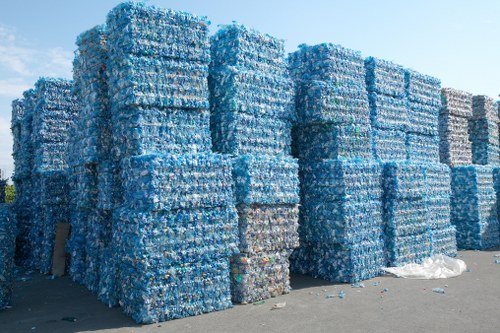
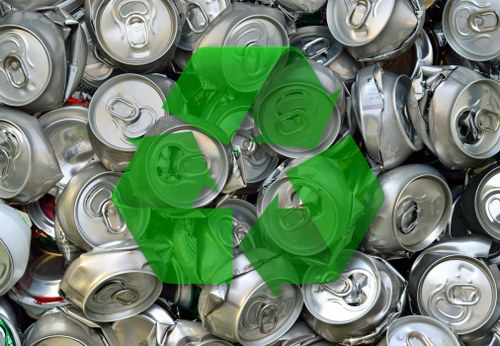
Commercial waste is rarely just one material type, so good sorting is central to a tidy removal. Paper, cardboard, metal fittings, plastics, timber offcuts, furniture parts and general rubbish each have different handling needs. Separating them where possible can make the collection more efficient and support better recovery routes after removal. We take care to move the waste through a process that is practical and orderly, rather than simply bundling everything together without thought.
That sorting process matters even more when waste comes from a refurbishment, stock change or relocation, because those jobs often produce mixed residues in a short period of time. If there are items that should not be mixed with ordinary refuse, they should be identified early and handled through the appropriate route. For general principles around recovery and treatment, the recycling and sustainability page provides a useful overview of how suitable materials can be considered.
Businesses often find that a cleaner separation of waste makes the whole clearance feel more manageable. Cardboard flattened in advance, loose fittings placed together and reusable items kept apart can reduce handling time later on. That does not mean every job needs extensive preparation; it simply means the collection is easier to organise when the waste is grouped sensibly before removal.
About Chislehurst
Chislehurst is a historic settlement in the London Borough of Bromley, in south-east London, long associated with a village centre, residential streets and nearby open land. The area is known for its mix of older buildings and later suburban development, with a core of shops and local services around the High Street and surrounding lanes. One of its best-known natural features is Chislehurst Commons, a substantial area of common land that preserves a more rural character than many parts of inner and outer London. The commons include ponds, wooded paths and open ground that have supported local recreation for generations, and they are closely linked with the identity of the place. The area’s history reaches back well before modern suburban growth, and the built landscape reflects that longer timeline. There are houses and public buildings of different periods, together with churches and other structures that help show how the settlement expanded while retaining a recognisable centre. Chislehurst Caves are another distinctive landmark, formed by man-made excavations later used for a range of purposes, and now part of the area’s historical interest. Rail links and road connections also shaped development, making the place more connected while still leaving it with a notably green and village-like feel in parts. That combination of heritage, open space and residential character gives Chislehurst a distinct position within the wider borough, and it remains strongly associated with both local amenity and a long-established community setting.
Clearances for garages, lofts and storage spaces
Garages, lofts and storage rooms often become overflow space for commercial premises, especially where supplies, archive material or seasonal stock are kept for later use. Over time, those areas can accumulate packaging, broken equipment, old display materials and mixed surplus items that no longer serve a purpose. A dedicated clearance makes it easier to recover usable space without the job becoming a prolonged disruption to the rest of the business. The emphasis is on removal, not on sorting through every item on site.
These spaces can be awkward because access is often limited, floors may be uneven and items may have been stored for a long time. It helps to know whether the waste is in a loft, a back store, a detached garage or a shared storage bay, because each setting affects lifting and loading. If you want to see the relevant service area, the garage clearance page and loft clearance page explain those specific jobs in more detail.
Where waste has been stacked in layers, it can be useful to decide what is definitely going and what still needs to be kept before the collection day. That way the clearance stays focused and the right items are removed first. A brief note about access, floor loading or limited headroom is often enough to help plan the practical side of the job.
Garden, exterior and site-side waste
Some commercial waste arises outside the building rather than inside it. Garden areas, external storage spaces, forecourts and small service yards can collect soil bags, cut branches, broken planters, old outdoor furniture, fencing remnants and packaging from deliveries. Removing that material helps keep the site clearer for staff and visitors and can prevent loose waste from spreading across entrances or access paths. The work stays focused on collection and disposal of the unwanted material, with no assumption that the area needs landscaping or maintenance.
Exterior waste is best handled when the load is grouped in a way that reflects the type of material involved. Green waste, timber, hard rubbish and general site-side clutter are not all treated the same way, so a mixed pile should ideally be separated before collection. If your exterior clearance also includes items from inside the premises, the broader waste removal service can be a helpful starting point for deciding what should be removed together and what should be treated separately.
Practical handling matters here because outdoor collections may involve narrow paths, awkward corners or soft ground. A clear route to the waste makes the work safer and more efficient. If there are gates, codes or time restrictions, include those when you ask for a quotation so the collection can be planned accurately.
Hazardous and confidential materials
Not all business waste can be handled in the same way as general rubbish. Some materials need special care because they may be hazardous, sensitive or subject to separate treatment requirements. That can include certain chemicals, contaminated items, sharp remnants, confidential paperwork and other materials that should not be placed into an ordinary mixed collection. The correct route depends on what the waste is, how it is stored and whether it can be moved safely within the relevant rules.
When the material includes private records, the main issue is secure handling rather than simply removing a box from the building. For that reason, a separate service may be more appropriate for papers and documents than a general load. The confidential shredding page is the place to look if secure document destruction is part of the requirement. For potentially more sensitive material, the hazardous waste disposal page sets out the scope of that type of collection.
If a site has a mixture of ordinary commercial rubbish and items that need special treatment, the safest approach is to identify those categories before the collection is arranged. That avoids confusion on the day and helps ensure the waste is directed to the correct disposal route. A clear description of the items involved is more useful than a vague estimate of volume when the waste requires careful handling.
Booking, access and quotation details
For a commercial collection, it helps if the enquiry includes the broad type of waste, the number of areas involved and whether anything needs dismantling before removal. If there are stairs, lifts, restricted loading bays or timed access windows, those details matter too. A concise description is usually enough to start, and photographs can be useful where the load includes mixed items or awkward bulky pieces. Keep the focus on what needs moving so the quotation can be based on the actual job rather than a guess.
Timing also matters for business customers, especially where waste must be removed before a refit, after a move or in advance of a scheduled inspection. If the clearance needs to fit around opening hours, deliveries or contractors on site, say so early. To make the next step simple, use the contact page or go straight to book online if you already know the collection details and want to proceed.
For the fastest response, it is worth grouping the key facts before you ask for a quotation: the site type, the materials involved, any access restrictions and whether the waste is ready for immediate removal. That is usually enough to move from enquiry to plan without unnecessary back-and-forth, and it helps keep the collection organised from the outset. If you are ready, request a quotation today.