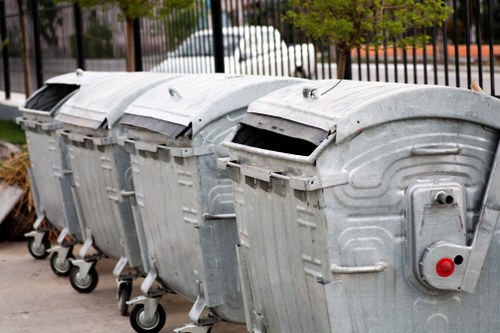
Health and Safety Policy — Commercial Waste Chislehurst
This policy sets out the commitment of our organisation to maintain a safe working environment for staff, contractors and customers involved in commercial waste and rubbish services across the service area. Our objective is to prevent injury and ill health by reducing risk from waste handling, vehicle operations and site activities. The policy applies to all aspects of commercial waste collection, transfer and disposal services, and it complements statutory obligations while avoiding over-specific local detail. Everyone is responsible for following safe systems of work and for cooperating with health and safety arrangements set out here.Responsibilities: Management will provide resources to ensure compliance, including safe vehicles, appropriate training and equipment. Supervisors must ensure that staff receive site-specific briefings and that risk assessments are completed and acted upon. Employees and operatives engaged in rubbish collection and waste management must work safely, use provided personal protective equipment and report hazards or incidents promptly. Contractors engaged to support our commercial waste services must demonstrate equivalent health and safety standards before commencing work.
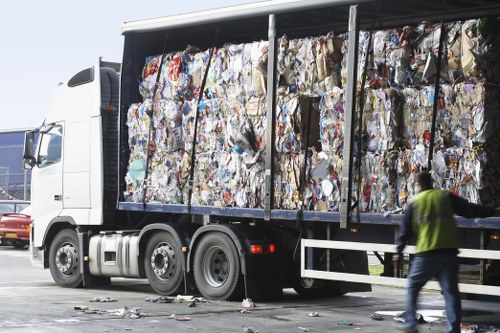 Risk assessment and control: we will undertake systematic risk assessments for routine tasks such as bin lifting, bulky waste removal, compacting operations and vehicle loading. Controls will be proportionate and include engineering, administrative and personal protective measures. The hierarchy of control will be applied to minimise exposure to hazards including manual handling, slips, trips, falls, contact with sharps, needle-stick injuries and exposure to hazardous substances. Regular reviews will ensure controls remain effective and are improved where necessary.
Training, competence and supervision
All staff undertaking duties for commercial waste Chislehurst operations will receive induction training, job-specific instruction and refresher training appropriate to their role. Training covers safe manual handling, vehicle operation, use of lifting aids, segregation of waste types, safe use of compactors and mechanical handling equipment. Supervisors will monitor competence and provide on-the-job coaching. New or temporary staff will be supervised until competent, and training records will be maintained to demonstrate ongoing compliance.Personal protective equipment (PPE): appropriate PPE will be provided and maintained, including gloves, high-visibility clothing, safety boots, eye protection and respiratory protection where assessed necessary. It is the duty of operatives to use PPE correctly and to report any defects immediately. Management will ensure PPE fits correctly and is replaced according to manufacturer guidance. PPE is a control of last resort when higher-level controls cannot wholly eliminate risk.
 Safe waste handling procedures: staff will follow documented procedures for segregating general rubbish, recyclable materials and hazardous wastes. Procedures include correct lifting techniques, use of mechanical aids for heavy or awkward loads, and safe stacking practices to prevent collapse. There will be clear guidance for dealing with sharps and contaminated items, with a protocol for immediate isolation and reporting. Where waste contains identified hazardous substances, operations will follow controlled handling and transportation procedures in line with relevant regulations.
Vehicle and plant safety
Vehicles used for waste collection will be maintained to a high standard and inspected before use. Drivers and operatives will follow safe loading limits and ensure that loads are secure to prevent spillage during transit. Mobile plant and compactors require authorised operator training and a permit-to-use system for maintenance. Procedures for vehicle reversing, including use of banksmen or reversing aids, will be enforced to reduce the risk of collisions and pedestrian injury during rubbish collection rounds.Emergency response and spill control: there are clear procedures for incidents such as spills, fires, chemical exposure or injury. Emergency equipment will be provided where appropriate, including spill kits, fire extinguishers and first aid supplies. Staff will be trained in immediate actions to protect people and the environment and instructed on how to summon additional emergency assistance. Incident reporting and investigation will identify root causes and corrective actions to prevent recurrence.
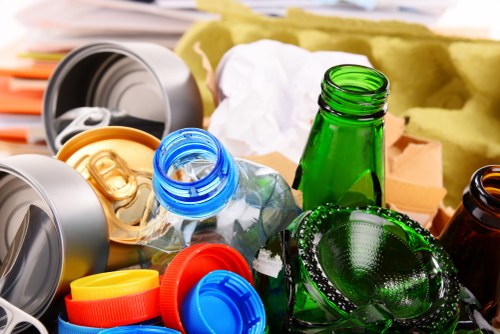 Hazardous waste and environmental protection: special arrangements apply to the handling, storage and transfer of hazardous or controlled wastes. These include labelling, containment, specialist transport arrangements and segregation from general commercial rubbish. Spill containment measures, drainage protection and secondary containment will be used where necessary to prevent contamination. Environmental protection is part of our health and safety commitment and will be integrated into operational planning.
 Monitoring, auditing and continuous improvement: we will monitor compliance with this policy through regular site inspections, vehicle checks and operational audits. Key performance indicators for safety performance will be reviewed at management meetings and used to drive improvements. Reported incidents and near misses will be recorded, investigated and communicated across the team so lessons learned contribute to safer working practices. Audits and inspections will be proportionate and scheduled based on risk.
Worker engagement and communication: we will maintain clear channels for consultation on health and safety matters and encourage employees to raise concerns without fear of reprisal. Toolbox talks, safety bulletins and briefings will keep staff informed of changes to procedures, emerging risks and best practice. A culture of open communication supports hazard recognition and timely corrective action across our commercial waste and rubbish collection operations.
Policy review and commitment: this health and safety policy will be reviewed periodically or following significant change, incident or legislative update. Management remains committed to providing the resources necessary to deliver safe commercial waste services and to fostering a proactive safety culture. Signed endorsement of this policy by senior management demonstrates the organisational commitment to protect people and the environment while delivering reliable waste collection and commercial waste services.
